adminSS

adminSS

BNPB Supports Bali in Integrating Disaster Management Plan in the RPJMD 2025–2029
BNPB Supports Bali in Integrating Disaster Management Plan in the RPJMD 2025–2029

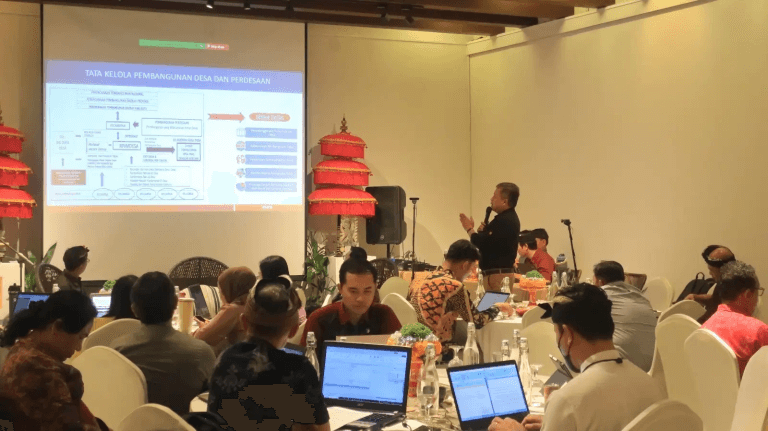
The Bali Provincial Government is committed to integrating the Disaster Management Plan (RPB) into its 2025–2029 RPJMD, reflecting national priorities on climate change adaptation and disaster risk reduction. Supported by BNPB and development partners, a recent workshop highlighted the importance of multi-stakeholder collaboration and stronger connections between villages, local, and national governments to build greater resilience to disasters and climate change.

The Ministry of Home Affairs: KENCANA Enhances Disaster Management in the Region

Kencana kelurahan tangguh bencana

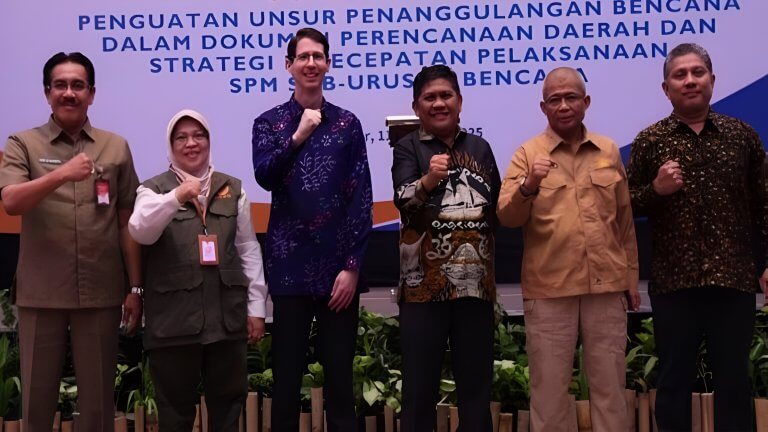
The Disaster Resilient Sub-District Program (KENCANA), initiated by the Ministry of Home Affairs, serves as a strategic effort to accelerate the implementation of Minimum Service Standards (MSS) in disaster management at the local level. This initiative empowers sub-districts to tailor disaster response methods to their unique risks and capacities, thereby improving service quality and reducing response times. The Ministry of National Development Planning (Bappenas) highlighted four key priorities to strengthen regional resilience: enhancing the capacity of sub-district heads, optimising budgets, mobilising creative financing, and fostering stronger inter-agency collaboration.

Strengthened Collaboration Among the Ministry of Home Affairs, Bappenas, and BNPB to Enhance Disaster Mitigation Efforts in Eastern Indonesia

MSS Implementation

Indonesia, as an archipelagic nation situated along the Pacific Ring of Fire, is highly vulnerable to a range of natural disasters, including earthquakes, tsunamis, floods, and forest fires. According to the World Risk Index (WRI) 2024, Indonesia ranks as the second-highest country in the world at risk of natural disasters, following the Philippines. This reality underscores the urgent need for integrated, professional, and inclusive disaster management strategies to safeguard communities while supporting the country’s sustainable development goals.

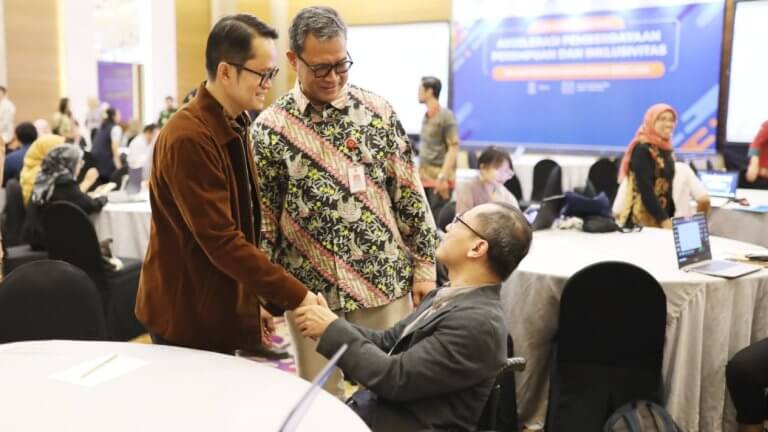
BNPB and Bappenas: Strengthening the Role of Women and Persons with Disabilities in Disaster Risk Reduction

67de57806fd5d bnpb dan bappenas dorong pemberdayaan perempuan dalam mitigasi bencana 1265 711

BNPB and Bappenas emphasised the need to strengthen the role of women and persons with disabilities in disaster risk reduction, recognising that these groups are disproportionately vulnerable during disasters. At the national workshop held in conjunction with International Women’s Day 2025, it was highlighted that women are not merely individuals to be protected but also active agents of change. By adopting gender-sensitive and inclusive approaches, women and marginalised groups are expected to play meaningful roles across all phases of disaster management, from preparedness to post-disaster recovery.

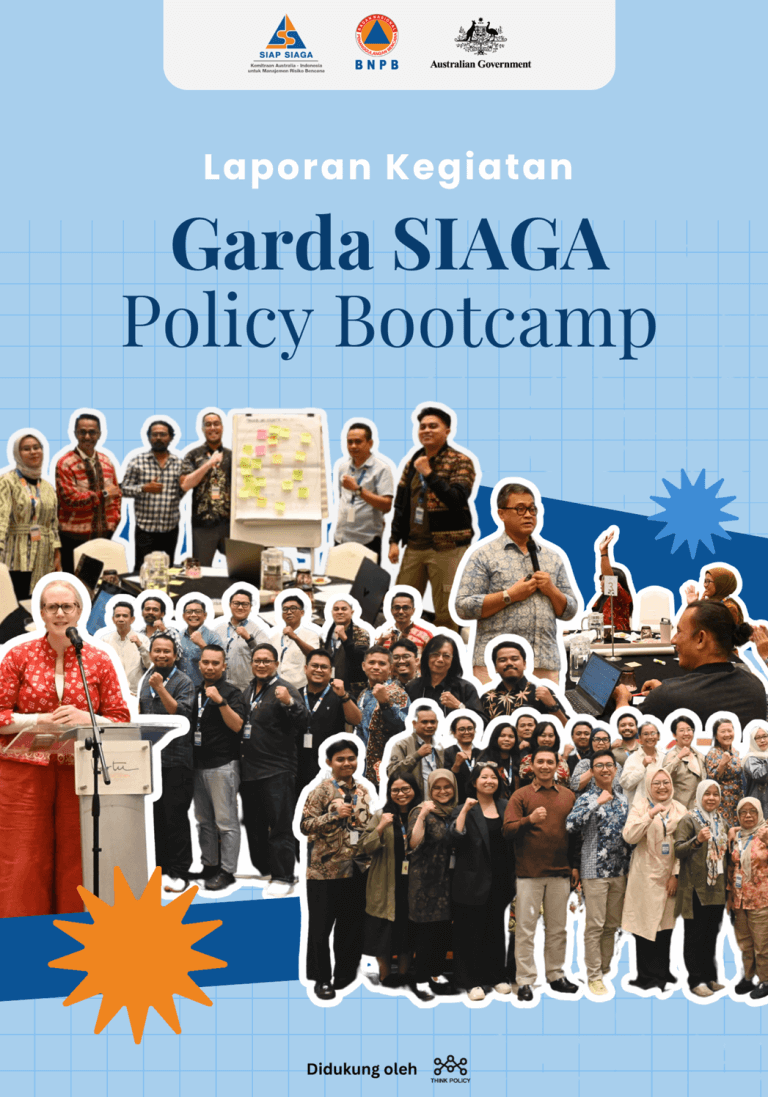
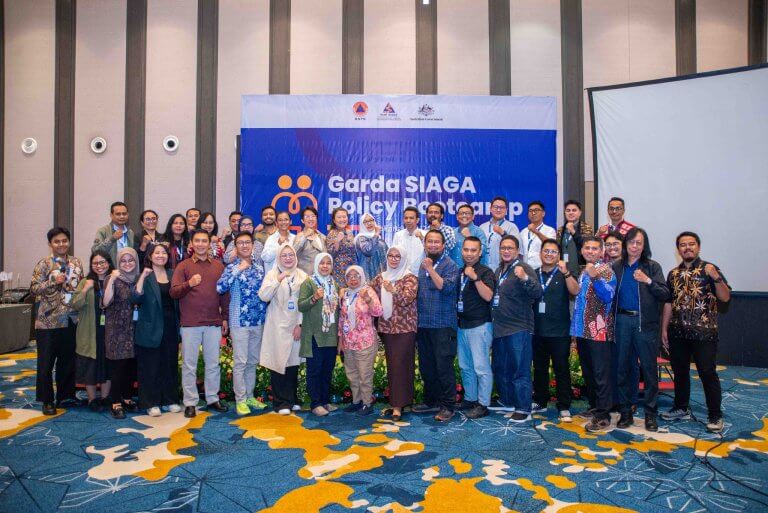
Laporan Kegiatan Garda SIAGA Policy Bootcamp

Screenshot 2025 01 13 231718

The Garda SIAGA Policy Bootcamp 2024 integrated disaster risk reduction (DRR) and climate change adaptation into policy frameworks through a cross-sectoral collaborative approach. This workshop engaged 26 participants from national and regional institutions.

Building Resilience in Small Island

pexels raw image6 10344904

The disaster resilience study tool on small islands was developed by FPRB NTB and representatives of BPBD NTB as coordinators, together with the Consortium for Participatory Studies and Development (KONSEPSI) supported by the SIAP SIAGA Program. This study tool adapts three models at once, namely the Disaster Resilient Village (Destana) indicator, island and coastal area resilience, and sustainable livelihood.

Meaningful Involvement of Persons with Disabilities to Promote Resilience

89 a cover. Metode Interaktif dan Partisipatif dalam Bimtek PB Inklusif

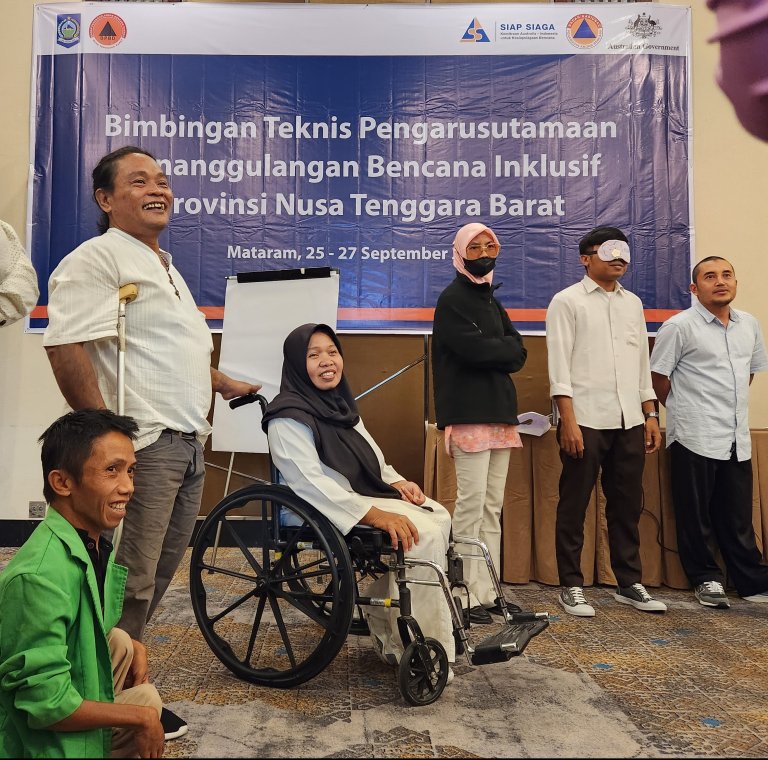
According to Hidayaturrohman, in the effort to form ULD, it is not only the fulfilment of the target that is important. The series of ULD formation processes involving opdis provide many lessons that will be very useful for other programs. "For us at BPBD, the process of forming ULD has brought extraordinary changes. We not only have an understanding of disabilities but also how to position them from being just objects of aid recipients to being part of policymakers. Previously, let alone involving them in planning, we didn't even have data on disability," he said.